
Upya in Kigali: What the Global Off-Grid Solar Forum & Expo 2026 told us

The 2026 Global Off-Grid Solar Forum in Kigali opened with a milestone: 149 million people now use off-grid solar. It also made clear how much work is left. Here are three themes that shaped the week, from results-based finance to productive use, and what they mean for PAYGO distributors.
Building a sustainable PAYGO smartphone business in Latin America

Launching PAYGO smartphone financing in Latin America takes more than demand. Here’s how to set up local payment flows, confirm device support before buying stock, and run a pilot that shows whether repayments can sustain growth.
What the off-grid solar sector told us in 2026
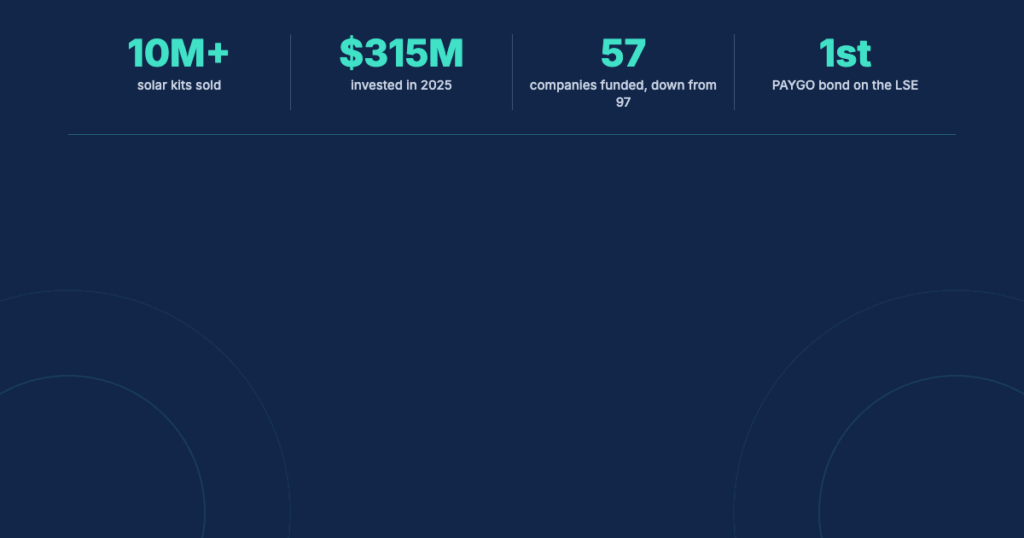
Record sales, a landmark bond and capital flowing to fewer companies. Here’s what the off-grid solar sector’s 2026 data tells us, and the gap we’ll be watching in Kigali.
Why the fastest-growing PAYGO operators all have one thing in common

PAYGO sales grew 48% in 2025, but a small group of operators is capturing most of the gains. Here are the five principles the fastest-growing teams use to scale PAYGO operations without making their business harder to run.
How to migrate systems without disrupting your business

Migrating systems is rarely just a question of moving data. The real challenge is keeping the business running while you change what sits underneath it. Here’s how to migrate systems without disruption, from data and integrations to processes and people, and why the safest path is to move in stages.
Why operators stay on systems they’ve outgrown, and how to move without starting over

Most PAYGO operators know their systems are holding them back. What keeps them from switching is the fear of losing years of repayment history, breaking payments mid-switch, and disrupting the field team. Here’s why PAYGO platform migration feels riskier than it is, and why rip and replace isn’t the only way to move.
Why the Final Stretch of the Year Is the Right Time to Audit Your Operational Stack
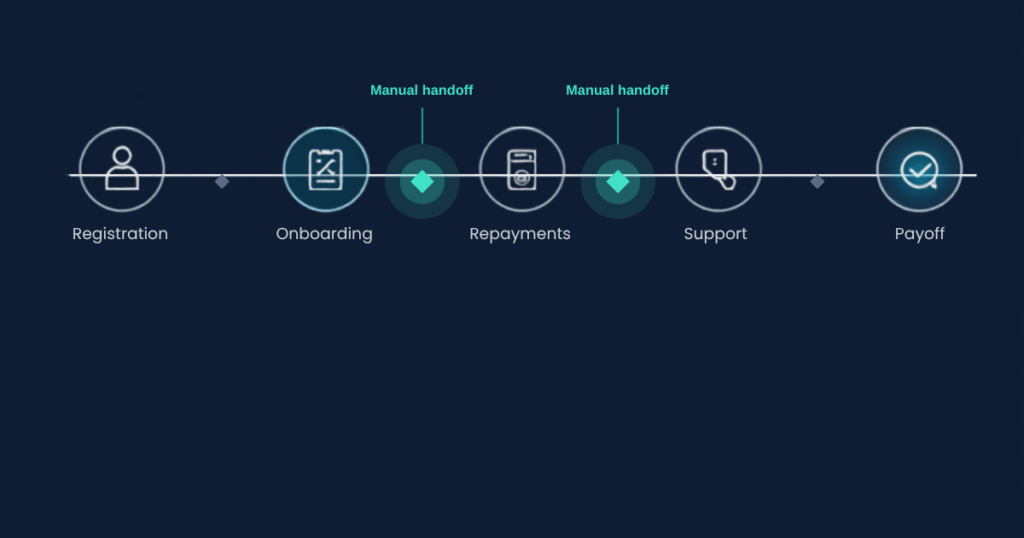
Most operators only audit their tools after something breaks. The final months of the year offer a better window: enough data to see where your stack struggles, and enough time to fix it. Here’s a five-step method for finding the gaps that matter most.
Why the world’s busiest airports don’t build their own software (and why you probably shouldn’t either).

The world’s busiest airports run on specialist platforms, not in-house builds. The reason has nothing to do with technical ability.
Post-sale contract management: Keeping customer relationships strong after the deal is signed.

A signed contract isn’t the finish line. Customers stop paying, need new terms, or hand a unit off to someone else entirely. Here’s how Upya keeps repossession, transfers, and contract updates from turning into manual, error-prone work.
Field agent management at scale for distributed businesses

Managing a field agent network of 10 is nothing like managing one of 100, 500, or 2,000 and the businesses that scale fastest are often the ones that feel that gap most acutely.